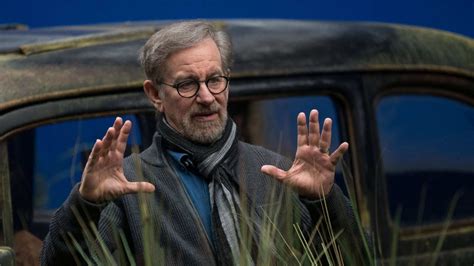
Steven Spielberg’s Top Movies: A Cinematic JourneyReally, guys, when we talk about
iconic directors
in Hollywood, there’s one name that consistently pops up, a true titan whose
Steven Spielberg films
have shaped generations of moviegoers: Steven Spielberg. This isn’t just a director; he’s a storyteller, a visionary who has given us everything from heart-pounding thrillers to heartwarming tales and profound historical dramas. His work isn’t just entertainment; it’s a deep dive into the human condition, an exploration of fear, wonder, courage, and hope, all wrapped up in spectacular cinematic packages. If you’ve ever felt the thrill of a shark attack, the wonder of an alien friendship, or the terror of war, chances are, you’ve experienced the magic of a
Steven Spielberg masterpiece
. We’re talking about a guy who practically invented the modern blockbuster, then pivoted to make some of the most emotionally resonant and historically significant films ever. Throughout his incredible career, Spielberg has consistently pushed boundaries, both technically and narratively, proving time and again that cinema can be both a powerful art form and incredibly accessible. He has this uncanny ability to tap into universal emotions, making his stories resonate whether you’re watching a sci-fi epic or a quiet drama. Every single one of his films, whether it’s an action-adventure or a historical account, carries his signature touch—a blend of grand spectacle and intimate character moments. So, buckle up, because we’re about to embark on a fantastic journey through some of the most
unforgettable Steven Spielberg movies
that have left an indelible mark on cinema history. We’ll explore how his distinct directorial style, characterized by sweeping camera movements, a keen eye for visual storytelling, and an unparalleled ability to build suspense and awe, has contributed to his enduring legacy. You’ll see why his name is synonymous with quality and why his films continue to be studied, celebrated, and loved by millions around the globe. This isn’t just a list; it’s an appreciation of a truly
legendary filmmaker
and his incredible contributions to the art of storytelling, proving that his impact stretches far beyond the silver screen, influencing countless other creators and inspiring audiences to dream big. You’re in for a treat, guys, as we explore the genius behind some of the greatest films ever made. From terrifying creatures to heartwarming extraterrestrials, his filmography is a testament to his versatility and unparalleled talent. We’ll be focusing on how his films not only entertain but also provoke thought, inspire emotion, and ultimately, leave a lasting impression that transcends mere entertainment. Get ready to rediscover the magic!### The Early Blockbusters & Defining Sci-Fi:
Jaws
,
Close Encounters
,
E.T.
Steven Spielberg’s cinematic journey
really kicked into high gear in the 1970s and early 80s, fundamentally reshaping the film industry and giving us some truly
iconic movies
. Let’s start with
Jaws
(1975), which isn’t just a film; it’s a cultural phenomenon, guys. This movie literally created the concept of the
summer blockbuster
. Before
Jaws
, summer was often a dumping ground for less-than-stellar films, but Spielberg’s terrifying tale of a great white shark terrorizing a small island community changed everything. It proved that audiences would flock to theaters in droves for a thrilling, high-stakes cinematic experience. What’s incredible about
Jaws
is how Spielberg managed to build unbearable suspense, often by
not
showing the shark. He masterfully used John Williams’ unforgettable score and clever camera work to suggest the presence of the predator, making the unseen far more terrifying than anything a rubber shark could deliver. The film’s tension is palpable, drawing viewers into the characters’ desperate struggle against a relentless force of nature. It’s a masterclass in suspense, showing us that sometimes, less is truly more.Following that massive splash, Spielberg continued his exploration of the unknown and the wondrous with
Close Encounters of the Third Kind
(1977). This
Steven Spielberg film
took a completely different approach to extraterrestrial life, moving away from invasion narratives to explore themes of wonder, communication, and human desire for connection. It’s a gorgeous, awe-inspiring film that invites us to look up at the stars with a sense of hope and curiosity rather than fear. The film’s iconic mashed potato mountain, the beautiful mother ship, and the unforgettable five-note musical motif are etched into cinematic history. It’s a movie that asks profound questions about humanity’s place in the universe and our innate drive to seek out something beyond ourselves. Spielberg’s vision here wasn’t about special effects alone, but about conveying a sense of profound spiritual and intellectual curiosity. It cemented his reputation as a director who could combine grand spectacle with deeply human, emotional storytelling, making audiences believe in something extraordinary.Then came
E.T. the Extra-Terrestrial
(1982), a film that, for many of us, defines our childhood sense of wonder and friendship. This isn’t just a sci-fi film; it’s a profoundly moving story about a boy, Elliott, and his alien friend. Spielberg captured the innocence and magic of childhood, the feeling of finding a kindred spirit, and the heartbreaking reality of saying goodbye. The emotional core of
E.T.
is so strong that it transcends its science fiction premise, becoming a timeless tale about love, loss, and the power of connection. The famous flying bicycle scene against the moon is one of the most iconic images in cinema, symbolizing freedom, imagination, and the boundless possibilities of friendship. It’s a tear-jerker, sure, but it’s also incredibly uplifting, reminding us of the importance of empathy and understanding. These early films really showcase Spielberg’s incredible range, establishing him not just as a director capable of blockbuster thrills, but also as a master of evoking deep emotion and wonder. He had this unique knack for appealing to both adults and children, crafting stories that were thrilling, thought-provoking, and deeply resonant. These
Steven Spielberg masterpieces
laid the groundwork for his future endeavors, proving that high-concept ideas could be married with genuine heart, paving the way for countless films that followed in their wake and demonstrating his early, undeniable impact on the world of film. Each one of these movies stands as a testament to his unique ability to craft narratives that capture the imagination and touch the soul, ensuring their place in the pantheon of cinema history.### Adventures, Archaeology, and the Birth of a Legend:
Indiana Jones
SeriesTalk about
adventure films
, guys, and you absolutely
have
to talk about the
Indiana Jones
series. These
Steven Spielberg films
, particularly the original trilogy, aren’t just movies; they’re the quintessential archaeological adventure, setting the bar for everything that followed. It all kicked off with
Raiders of the Lost Ark
(1981), and honestly, it’s a pure shot of adrenaline and fun from start to finish. Teaming up with George Lucas, Spielberg created Dr. Henry Walton Jones, Jr.—a whip-cracking, fedora-wearing archaeologist who is as comfortable lecturing in a classroom as he is punching Nazis in a snake-infested tomb. Indiana Jones quickly became one of the most beloved characters in cinema history, an academic who wasn’t afraid to get his hands dirty, making him incredibly relatable and aspirational. The film’s opening sequence, the iconic boulder chase, perfectly encapsulates the movie’s tone: thrilling, dangerous, and often
hilariously
clever. It’s a masterclass in action filmmaking, blending pulse-pounding set pieces with genuinely witty dialogue and fantastic character dynamics. The search for the Ark of the Covenant takes Indy across continents, throwing him into one perilous situation after another, all while maintaining a perfect balance of suspense, humor, and spectacular stunts. This film truly defined what a big-screen adventure should be, proving that a well-crafted story with a charismatic hero could captivate audiences worldwide. It wasn’t just about the spectacle; it was about the journey, the mystery, and the sheer joy of discovery.Next up in this incredible series was
Indiana Jones and the Temple of Doom
(1984), a film that definitely took a darker, more intense turn. While some found its tone a bit jarring compared to the first, it still delivers some of the most memorable and intense sequences in the entire franchise. From the crazy mine cart chase to the terrifying Kali Ma ritual, this
Steven Spielberg adventure
doesn’t pull any punches. It showcases Spielberg’s willingness to experiment with different moods and push boundaries, even within a beloved franchise. The film is visually stunning, with incredible production design bringing ancient Indian temples and rituals to vivid, often unsettling, life. It’s a testament to Spielberg’s versatility that he could create such a distinct entry while still retaining the core adventurous spirit of Indiana Jones. Despite its grittier edge, the film maintains that classic Indy charm, especially through the introduction of Short Round and Willie Scott, who add their own unique flavors to the action. It’s a wild ride that, despite its more controversial elements, remains a thrilling chapter in Indy’s saga.Finally, we got
Indiana Jones and the Last Crusade
(1989), which many fans consider a triumphant return to form and often cite as their favorite. This movie brought back the delightful blend of humor, high-stakes adventure, and emotional depth that made
Raiders
so beloved. The genius move here was introducing Indy’s father, Professor Henry Jones Sr., played to perfection by the legendary Sean Connery. The dynamic between Harrison Ford and Connery is pure gold, adding a fantastic layer of father-son banter and emotional resonance to the quest for the Holy Grail. Their bickering, their shared intelligence, and their unspoken love for one another elevate the film beyond mere action. The film delivers classic Indy moments, from the Venetian boat chase to the tank battle in the desert, all culminating in a deeply satisfying conclusion that explores themes of faith, family, and legacy. These
Steven Spielberg classics
aren’t just action films; they are journeys into history, mythology, and the pure thrill of discovery. They cemented Spielberg’s reputation as a master of adventure, proving his ability to craft enduring characters and create worlds that we can all get lost in, time and time again. The
Indiana Jones
series isn’t just about finding ancient relics; it’s about the adventure of life itself, full of twists, turns, and unexpected revelations. Every punch, every whip crack, every narrow escape feels earned, contributing to a legacy that continues to inspire and entertain new generations.### Venturing into Deeper Waters: From Dinosaurs to Historical Dramas:
Jurassic Park
, _Schindler’s List_Now, guys, if you want to talk about
Steven Spielberg’s incredible range
and his ability to not only innovate technologically but also delve into profound human stories, we have to discuss two absolute titans from the early 90s:
Jurassic Park
(1993) and
Schindler’s List
(1993). Releasing these two masterpieces in the
same year
speaks volumes about his genius and versatility.First, let’s roar into
Jurassic Park
. This isn’t just a movie; it’s a monumental achievement in visual effects and storytelling that completely redefined what was possible on screen. The idea of bringing dinosaurs back to life seemed like pure fantasy, but Spielberg, with his unparalleled vision, made it feel terrifyingly real. This
Steven Spielberg film
used groundbreaking computer-generated imagery (CGI) alongside animatronics to create creatures that were not just believable but awe-inspiring and genuinely frightening. The moment the T-Rex bursts through the fence, or the raptors hunt in the kitchen, these scenes are etched into our collective memory as benchmarks of cinematic terror and excitement. But
Jurassic Park
isn’t just about the spectacle; it’s also a cautionary tale about humanity’s hubris, the dangers of playing God, and the unstoppable force of nature. The film asks critical questions about ethics in science and the consequences of unchecked ambition, making it much more than just a dinosaur movie. The sense of wonder, followed by sheer terror, is masterfully orchestrated by Spielberg, drawing audiences into a world where the impossible becomes frighteningly real. The characters, though secondary to the creatures, are compelling enough to ground the story, making their survival feel truly earned. It was a massive box office hit and proved that Spielberg could deliver spectacle like no other, leaving audiences worldwide with a sense of pure, unadulterated awe and fear. It pushed the boundaries of what films could achieve visually, forever changing the landscape of blockbuster cinema. You can still feel the impact of its innovative techniques in films today, making it a true benchmark in film history.Then, in the very same year, Spielberg released
Schindler’s List
, a complete departure from the fantastical thrills of
Jurassic Park
, but arguably his most profound and important work. This
Steven Spielberg masterpiece
is a stark, black-and-white historical drama that depicts the harrowing true story of Oskar Schindler, a German businessman who saved more than a thousand Jews during the Holocaust. Filmed with unflinching honesty and immense respect,
Schindler’s List
is a powerful, gut-wrenching, and ultimately hopeful testament to the human spirit. Spielberg used a minimalist approach, focusing on the raw emotion and brutal reality of the events, refusing to shy away from the horrors but also highlighting acts of incredible courage and humanity. The decision to shoot in black and white wasn’t just an artistic choice; it underscored the grim reality of the period, making the few instances of color (like the girl in the red coat) even more impactful. This film earned Spielberg his first Academy Awards for Best Director and Best Picture, a long-overdue recognition for his incredible talent and his willingness to tackle such a sensitive and vital historical subject. It’s a film that demands to be watched, not just as entertainment, but as a vital historical document and a powerful reminder of the atrocities of the past and the importance of never forgetting. It’s a challenging watch, no doubt, but its message of resilience, empathy, and the enduring power of good in the face of unspeakable evil is timeless and essential. These two films, released back-to-back, perfectly encapsulate the breadth of
Steven Spielberg’s filmmaking genius
. He could give us groundbreaking special effects and thrilling action one moment, and then pivot to deliver a deeply moving, historically significant, and emotionally devastating drama the next. It cemented his legacy not just as a crowd-pleasing entertainer but as a serious artist with a profound understanding of storytelling and human experience, proving that his artistic reach extended far beyond simple genre definitions. His ability to navigate such diverse emotional and technical landscapes in the same year is truly a remarkable feat, solidifying his status as one of cinema’s greatest auteurs.### Modern Masterpieces & Lasting Impact:
Saving Private Ryan
,
Munich
,
Lincoln
, _West Side Story_Even as he cemented his legacy with earlier triumphs,
Steven Spielberg continued to evolve
, guys, consistently delivering
modern masterpieces
that challenged audiences and showcased his enduring relevance. His later
Steven Spielberg films
aren’t just about spectacular visuals; they delve deeper into complex themes, historical accuracy, and the human psyche, solidifying his status as one of the most versatile directors of our time.First up is
Saving Private Ryan
(1998), a film that completely redefined the war genre. From its visceral, harrowing opening sequence depicting the D-Day landings on Omaha Beach, Spielberg plunged audiences into the brutal, chaotic reality of World War II like never before. This wasn’t a sanitized, heroic portrayal; it was raw, terrifying, and unflinchingly realistic. The shaky camera work, the disorienting sound design, and the sheer scale of the conflict put you right in the trenches, making you feel every bullet, every explosion, every moment of fear and heroism. It’s a powerful examination of the sacrifices made during wartime, the moral ambiguities of command, and the profound personal toll of conflict. The central mission—to find and send home a single soldier whose brothers have all died—provides a deeply emotional core to the widespread devastation. This film not only won Spielberg another Oscar for Best Director but also left an indelible mark on how war is depicted in cinema, influencing countless films that followed. It’s a testament to his ability to not just tell a story, but to transport you into an experience, leaving you profoundly affected and with a deeper understanding of the true cost of war. The film’s impact lies in its ability to humanize the massive scale of conflict, focusing on individual stories within the broader historical canvas, making it a truly powerful and unforgettable cinematic experience that resonates deeply with audiences long after the credits roll.Next, we have
Munich
(2005), a gripping and morally complex thriller that explores the aftermath of the 1972 Munich Olympics massacre. This
Steven Spielberg film
is a masterclass in tension and moral ambiguity, following a team of Mossad agents tasked with assassinating the Palestinians responsible for the attack. It’s not a straightforward action film; it’s a profound meditation on the cycle of violence, the cost of revenge, and the ethical dilemmas faced by those who carry out such missions. Spielberg masterfully navigates the political complexities, personal tolls, and the haunting questions about whether violence ever truly solves anything. The film is intense, thought-provoking, and often uncomfortable, forcing audiences to confront difficult truths about conflict and retribution. It showcases Spielberg’s willingness to tackle sensitive, contemporary issues with nuance and intelligence, proving his ability to craft not just historical epics, but also taut, relevant dramas that spark important conversations. The film’s intricate plot and character-driven narrative demonstrate his mastery of the espionage thriller, while its profound themes elevate it to something far greater than typical genre fare.Then comes
Lincoln
(2012), a meticulously crafted historical drama that dives deep into the political machinations and personal struggles of Abraham Lincoln during the final months of the Civil War, as he fought to abolish slavery with the 13th Amendment. This
Steven Spielberg masterpiece
is a character study, a legal drama, and a powerful look at leadership under immense pressure. Daniel Day-Lewis’s transformative performance as Lincoln is legendary, capturing the president’s wisdom, weariness, and unwavering moral compass. Spielberg, along with screenwriter Tony Kushner, brings history to life in a way that feels intimate and immediate, focusing on the backroom deals, the impassioned speeches, and the human cost of momentous decisions. It’s a film about the messy, often frustrating, but ultimately vital process of democracy and the courage required to push for monumental change. This film reinforces Spielberg’s dedication to presenting history with authenticity and emotional depth, making complex political events accessible and profoundly moving. It’s a reminder that even the greatest leaders are still human, grappling with immense burdens and personal sacrifices, and it highlights the intricate dance of politics required to achieve profound social change.Most recently, Spielberg took on a beloved classic with
West Side Story
(2021), proving he still has fresh perspectives to offer even on familiar material. His vibrant, dynamic adaptation of the iconic musical is a visual feast, bursting with energy, stunning choreography, and powerful performances. Spielberg brought his signature kinetic filmmaking style to the musical genre, creating sequences that are both grand and intimately emotional. It’s a gorgeous reimagining that honors the original while adding new layers of contemporary relevance, particularly regarding themes of immigration, prejudice, and societal divides. This film showcases his incredible artistry and willingness to experiment across genres, demonstrating that even after decades in the industry, he remains a vital and innovative filmmaker. These
Steven Spielberg films
from his later career illustrate his continuing pursuit of compelling stories, his mastery of diverse genres, and his unwavering commitment to pushing the boundaries of cinematic storytelling, ensuring his legacy will endure for generations. Each of these films is a testament to his artistic growth and his ability to continue producing impactful and thought-provoking cinema that resonates with contemporary audiences while also honoring the rich tapestry of history.### The Enduring Legacy of a Visionary: Why Steven Spielberg’s Films ResonateSo, guys, as we wrap up our incredible journey through the unparalleled filmography of
Steven Spielberg
, it becomes abundantly clear why his name isn’t just synonymous with blockbuster entertainment, but also with profound, impactful storytelling. His
Steven Spielberg films
aren’t just movies; they are cultural touchstones, cinematic landmarks that have deeply influenced how we perceive storytelling, technology, and the very act of going to the movies. From the terrifying suspense of
Jaws
that made us fear the water, to the heartwarming wonder of
E.T.
that taught us about universal friendship, to the gripping historical accuracy of
Schindler’s List
and
Saving Private Ryan
that made us confront humanity’s darkest and brightest moments, Spielberg has consistently delivered experiences that stick with us long after the credits roll.What truly makes a
Steven Spielberg masterpiece
resonate so deeply is his unique ability to blend grand spectacle with deeply human emotion. He understands that even the most fantastical narratives, be it dinosaurs brought back to life in
Jurassic Park
or aliens arriving on Earth in
Close Encounters
, need a strong, relatable emotional core. He knows how to tap into our deepest fears, our greatest hopes, and our most cherished dreams, making us laugh, cry, gasp, and cheer, often all within the same film. His direction is characterized by a kinetic energy, a masterful use of camera movement, and an intuitive understanding of pacing that keeps audiences on the edge of their seats, whether he’s building suspense or delivering pure exhilaration. He truly is a master of visual language, conveying complex emotions and narrative beats without needing excessive dialogue.Furthermore, Spielberg’s impact isn’t just limited to the individual films he directs. He’s a true innovator who has pushed technological boundaries, from the animatronics in
Jaws
to the groundbreaking CGI in
Jurassic Park
, always using technology as a tool to serve the story, not just for flashy effects. He also co-founded Amblin Entertainment, a production company responsible for a myriad of beloved films, and played a pivotal role in the establishment of DreamWorks Pictures, further expanding his influence across the industry. This means that his reach extends far beyond his own directorial chair, impacting countless other filmmakers and projects, nurturing new talent and shaping the broader landscape of cinema.His legacy is one of boundless imagination, technical brilliance, and unwavering empathy. He’s a director who can captivate both children and adults, creating films that operate on multiple levels, offering something new with every rewatch. He reminds us of the power of cinema to transport us, to challenge us, and to connect us. He has inspired generations of filmmakers and continues to do so, demonstrating that the pursuit of excellence and heartfelt storytelling never goes out of style. The
Steven Spielberg filmography
is a rich tapestry of genres, themes, and emotions, a testament to a career built on passion, vision, and a deep love for the art of filmmaking. His movies are more than just entertainment; they are a vital part of our shared cultural heritage, teaching us, moving us, and making us believe in the magic of the movies, time and time again. So, next time you settle down to watch one of his films, take a moment to appreciate the sheer genius behind the lens, a true visionary who has given us so much, and continues to influence the cinematic landscape in profound ways. His ability to tell stories that resonate universally, across cultures and generations, is a testament to his extraordinary talent and his enduring place as one of the greatest directors in history. He’s not just a filmmaker; he’s a legend, and his films will continue to captivate and inspire for centuries to come. What a ride it’s been!
